

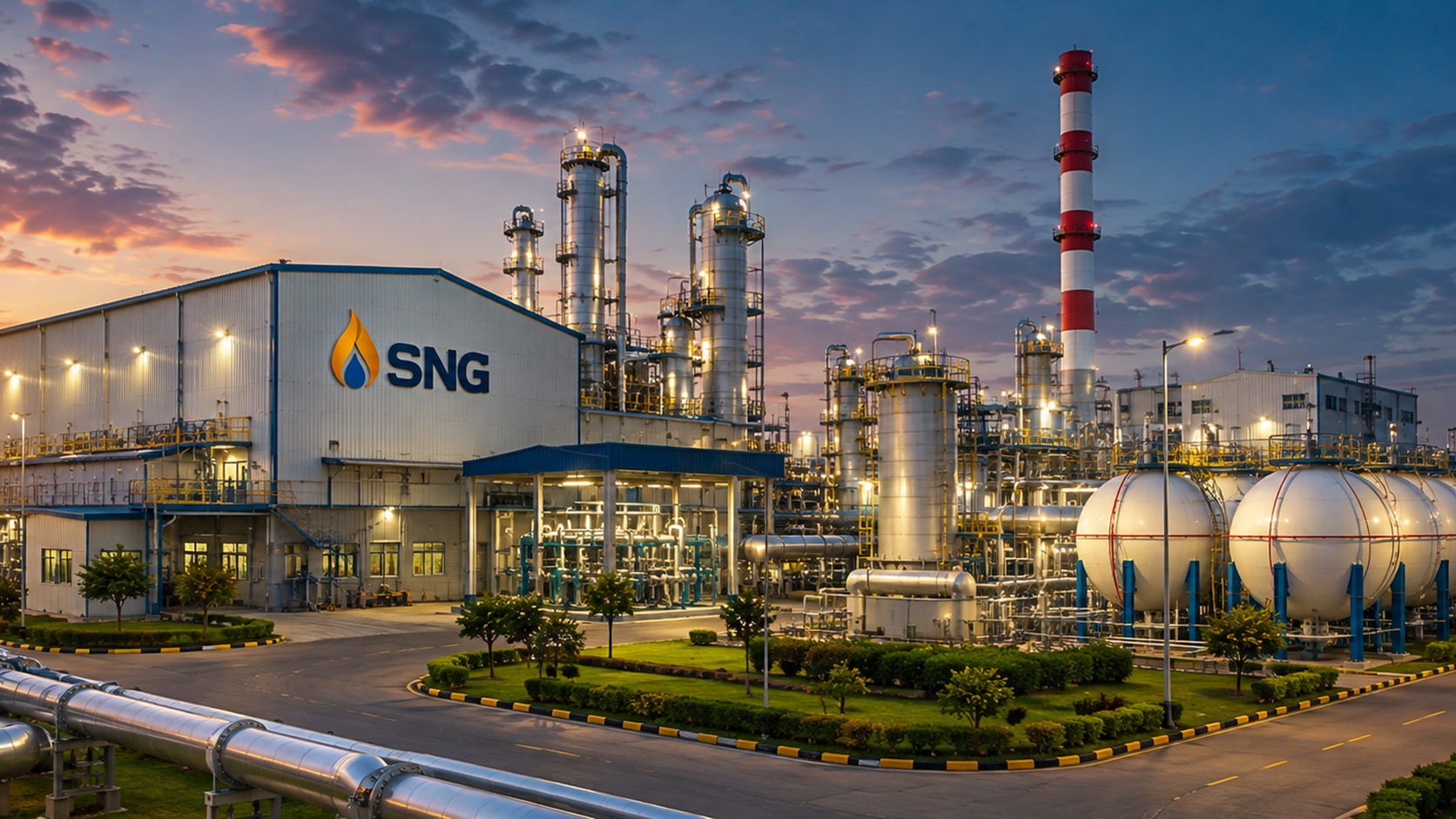
"Synthetic Natural Gas" sounds complicated, but the underlying idea is straightforward: take LPG, convert and blend it into a gas mixture that behaves like natural gas, and deliver it through underground pipelines to a meter at every approved connection.
How Does Synthetic Natural Gas Reach Your Home?
The journey from LPG procurement to a consumer's kitchen involves multiple connected stages. Each stage has a specific purpose, from receiving and storing the fuel to processing, regulating, distributing, metering, and billing it.
SNG Distribution Company's model brings these functions together into one integrated utility system designed around the requirements of each approved project.
The 10 Stages Behind the System
Here's the process end to end, from fuel procurement to continuous utility operations.
LPG Procurement
LPG is sourced from approved and reliable suppliers based on the project's actual demand and operating requirements.
Transportation & Receiving
The LPG is transported through authorized logistics arrangements to the project's designated SNG Grid.
Central Storage
LPG is stored in purpose-designed tanks or storage vessels within a controlled and secured facility rather than being scattered across individual consumer locations.
Vaporization
Liquid LPG is converted into vapour through a regulated vaporization process before entering the gas-processing stage.
Controlled Air Mixing
LPG vapour is mixed with air in technically determined proportions to produce the Synthetic Natural Gas blend.
Pressure Regulation
Gas pressure is regulated according to the requirements of the project's distribution network.
Pipeline Distribution
The gas travels through underground main pipelines, branch pipelines, and individual service lines to approved consumer premises.
Individual Metering
Each approved connection can be supplied through a dedicated meter, unless another metering arrangement has been formally approved.
Billing & Account Management
Meter readings are recorded and processed through the approved billing and consumer-management system.
Continuous Operations
Operations continue beyond commissioning, including fuel supply, plant operations, pressure control, metering, billing, maintenance, safety, and customer support.
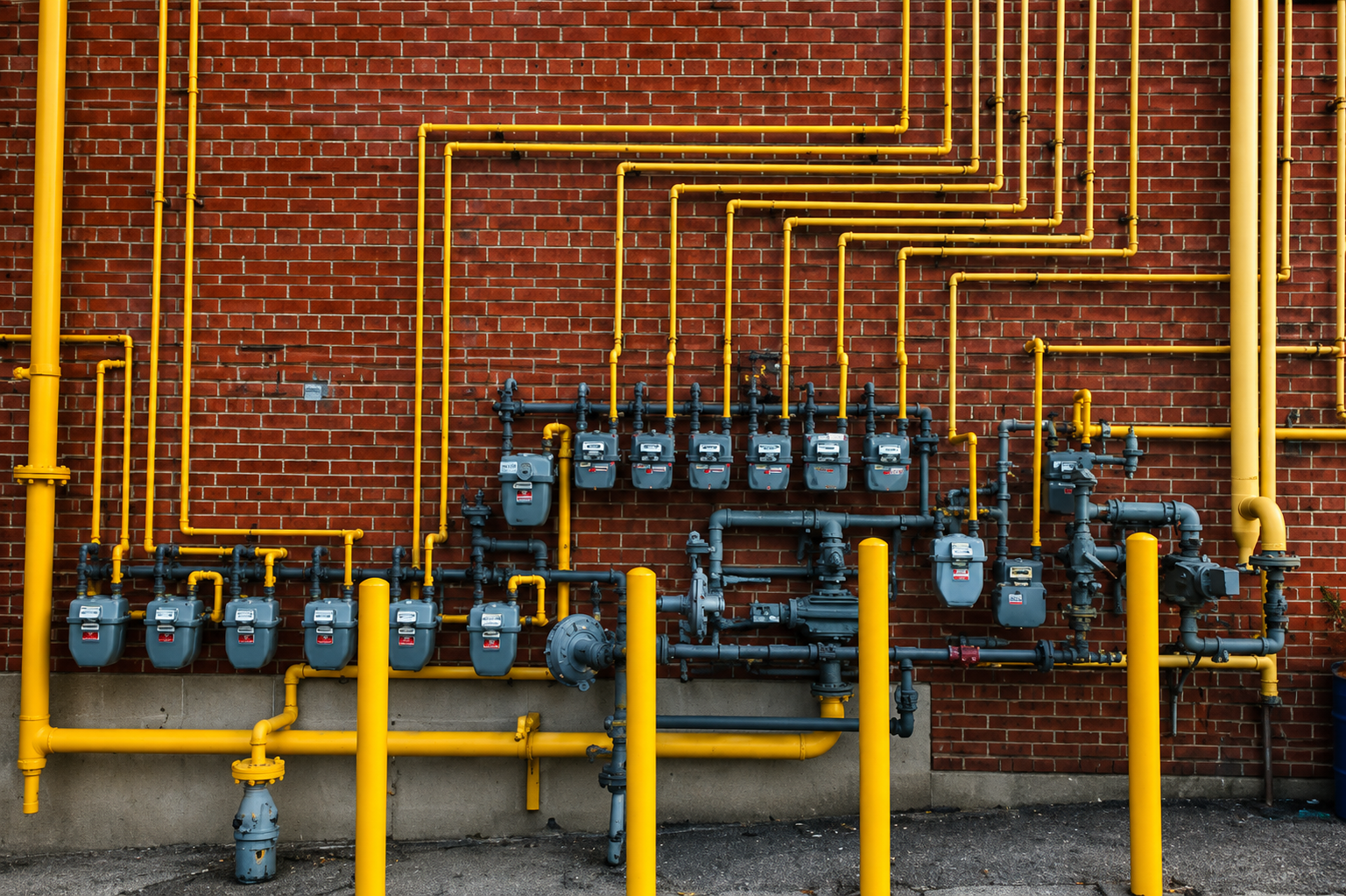
From LPG Storage to the Consumer
The complete system can be understood as a continuous chain. Fuel enters the centralized facility, is processed and regulated, and then moves through the underground network toward individual consumer connections.

Why This Process Matters
Gas infrastructure is not a utility where one stage can simply be ignored. Storage, processing, pressure management, distribution, metering, and operations all need to work together.
Running the system as one integrated utility rather than as separate disconnected functions helps create a coordinated approach to fuel management, distribution, metering, maintenance, and consumer support.
Every stage contributes to the overall performance of the network. A properly coordinated system allows the operator to monitor and manage the infrastructure from the central facility through to individual consumer connections.

The System Doesn't Stop at Commissioning
One of the important differences between installing infrastructure and operating a utility is what happens after the system becomes operational.
SNG Distribution Company's responsibility can continue through fuel procurement, transportation coordination, SNG Grid operations, pressure management, pipeline monitoring, meter management, billing, maintenance, safety procedures, and customer support.
This ongoing operational responsibility allows the infrastructure to function as a managed utility rather than simply becoming a completed construction project.

From Tank to Stove — One Integrated System
What may look simple from the consumer's perspective — turning on a stove and having gas available — depends on a coordinated chain of infrastructure, equipment, processes, people, and operational controls behind the scenes.
From LPG procurement and centralized storage to vaporization, controlled mixing, pressure regulation, underground pipeline distribution, individual metering, billing, and continuous operations, every stage contributes to delivering a managed gas utility service.
Planning a Gas Utility for Your Development?
Explore how SNG Distribution Company can help assess, develop, connect, and operate a managed gas distribution system for your project.
Discuss Your Project →